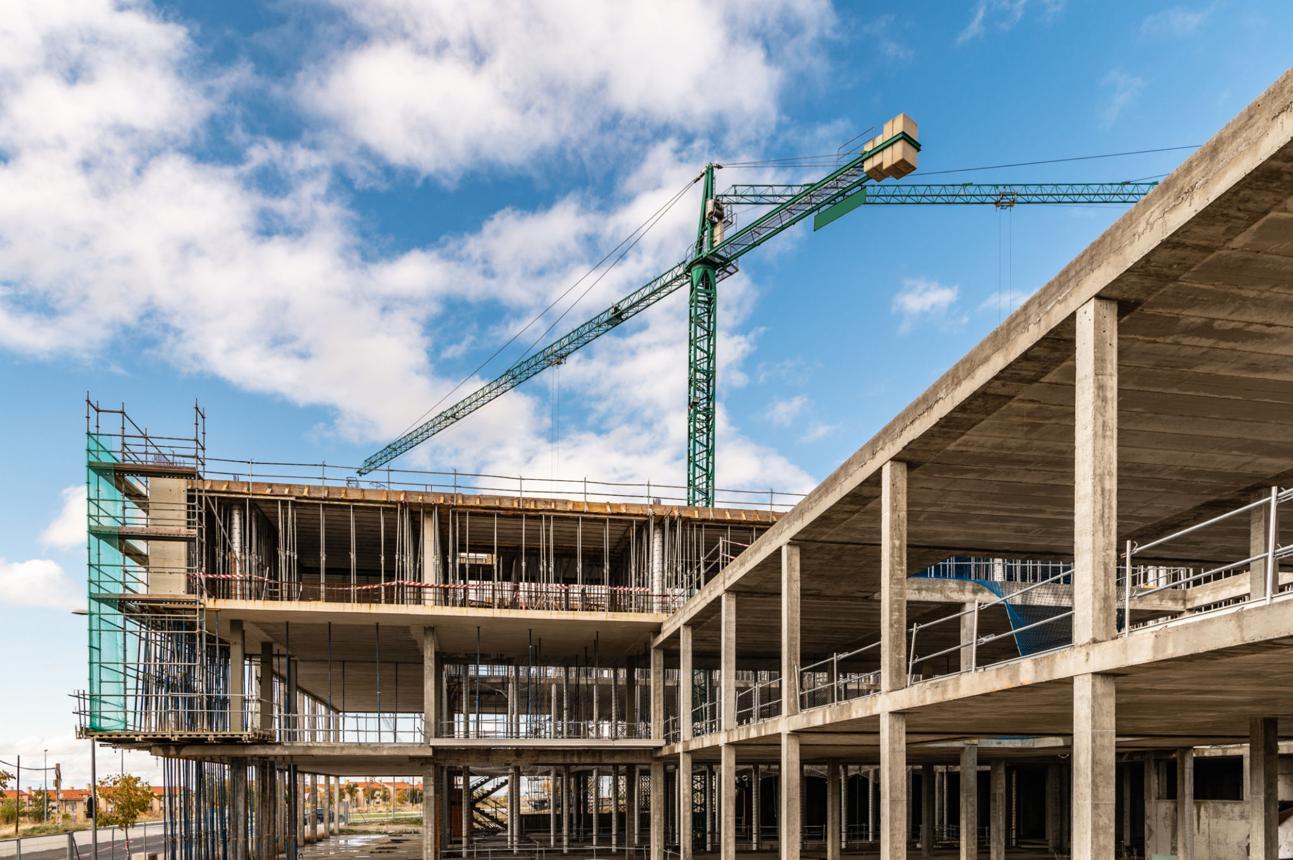
How Sustainable Engineering Reduces Cost and Environmental Impact
Introduction
Sustainable engineering is no longer a future concept — it is a present necessity in modern construction.
With rapid urbanisation and rising construction costs, green building in Kenya is becoming a key strategy for delivering cost-effective and environmentally responsible developments. Sustainable construction focuses not only on reducing environmental impact but also on improving efficiency, durability, and long-term performance.
At its core, sustainable engineering is about making smarter design decisions that balance cost, performance, and environmental responsibility.
What is Green Building?
Green building refers to the design and construction of buildings that minimise environmental impact while maximising efficiency.
In the Kenyan context, green building design focuses on:
Efficient use of construction materials
Energy-efficient building systems
Sustainable water management
Reduced environmental footprint
Long-term operational efficiency
As demand grows for eco-friendly construction in Kenya, developers are increasingly integrating sustainability into both residential and commercial projects.
The Role of Sustainable Engineering in Construction
1. Material Efficiency and Cost Reduction
Structural and civil engineers play a critical role in reducing construction costs through:
Optimised material usage
Efficient structural systems
Reduced waste during construction
This directly supports cost-effective construction in Kenya.
2. Structural Optimization
Efficient structural design ensures:
Reduced concrete and steel quantities
Improved load distribution
Lower embodied carbon
This aligns sustainability with cost savings — a key driver in modern projects.
3. Lifecycle Performance
Sustainable buildings are designed for long-term performance.
This includes:
Reduced maintenance costs
Improved durability
Better resistance to environmental conditions
4. Integration with Civil Infrastructure
Sustainability extends beyond buildings to infrastructure systems.
Civil engineering contributes through:
Sustainable drainage systems
Water-efficient infrastructure
Site planning and erosion control
Key Sustainable Construction Strategies
Optimised Structural Design
Efficient design reduces unnecessary materials while maintaining safety and performance.
Sustainable Drainage Systems
Urban flooding remains a major issue in Kenya. Sustainable solutions include:
Controlled stormwater drainage
Rainwater harvesting
Permeable surfaces
These systems improve resilience and reduce environmental impact.
Reduced Construction Waste
Through better planning and detailing, engineers can:
Minimise material wastage
Improve construction efficiency
Lower overall project cost
Use of Local and Durable Materials
Using locally available materials:
Reduces transport costs
Lowers carbon footprint
Supports local industries
Cost vs Sustainability in Construction
A common misconception is that sustainable construction is expensive.
In reality, green building in Kenya often leads to long-term savings through:
Lower energy consumption
Reduced maintenance costs
Improved building lifespan
Sustainable engineering focuses on value over lifecycle, not just initial cost.
Green Building Opportunities in Kenya
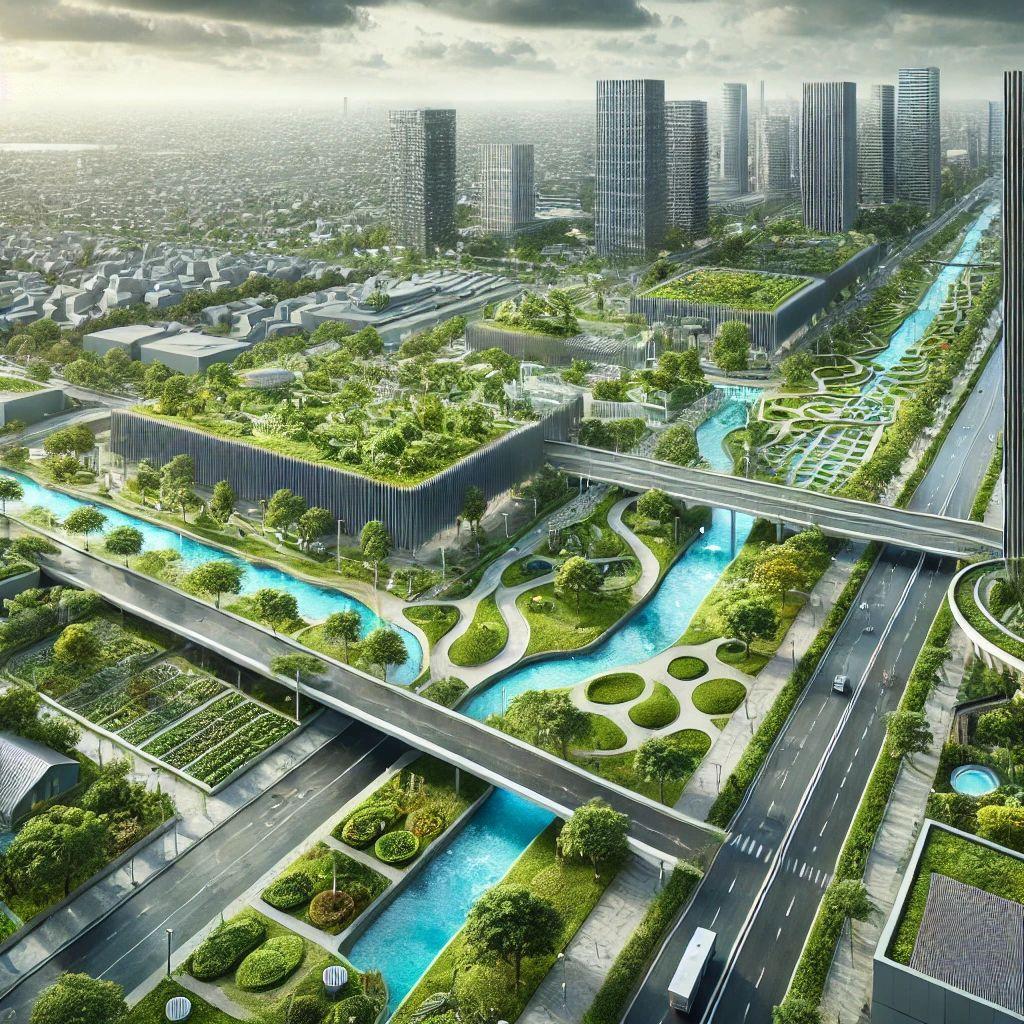
Climate Advantage
Kenya’s climate supports:
Natural ventilation
Solar energy integration
Reduced reliance on mechanical systems
Rapid Urban Growth
As cities expand, there is an opportunity to:
Integrate sustainable infrastructure
Avoid inefficient development patterns
Build resilient urban systems
Growing Demand for Sustainability
There is increasing demand for:
Energy-efficient buildings
Green-certified developments
Environmentally responsible construction
The Role of Engineers in Delivering Sustainable Projects
Engineers ensure that sustainability is achieved through:
Efficient design decisions
Proper material selection
Construction supervision
Integration of sustainable systems
Without proper engineering input, sustainability goals are difficult to achieve.
Conclusion
Green building is not just about environmental compliance — it is about efficient, cost-effective, and intelligent engineering.
By adopting sustainable construction practices in Kenya, developers can reduce costs, improve performance, and contribute to long-term environmental sustainability.
At ANLARGE, we specialise in sustainable engineering and green building design, delivering projects that are efficient, durable, and built for the future.
👉 Contact Us today to discuss your sustainable construction project in Kenya.