Our Services
our teams can build it.
The Role of Construction Supervision in Structural Engineering Projects
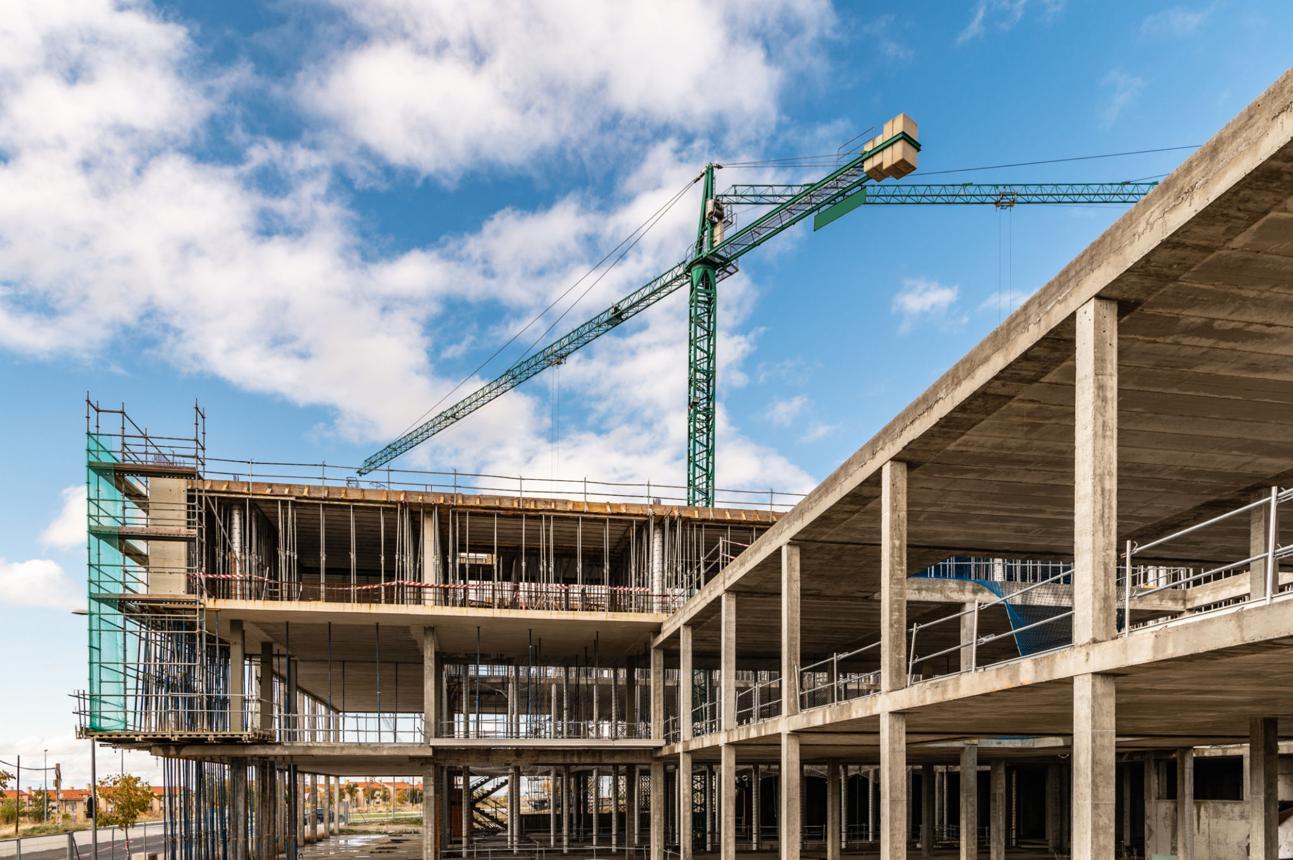
A well-designed structure can fail if poorly executed. In structural engineering, design is only one part of the equation. The true success of any project depends on how accurately that design is implemented on site. Even the most efficient and well-calculated structural systems can be compromised by poor workmanship, incorrect material use, or deviations from specifications. Construction supervision serves as the critical bridge between design intent and physical reality — ensuring that what is built aligns with what was engineered.

The science and art of adaptive reuse
Vestibulum in augue in nunc commodo faucibus. Pellentesque venenatis nec sem eget bibendum. Donec convallis laoreet metus nec semper. Duis posuere urna lacus, non aliquet neque laoreet rhoncus. Phasellus vestibulum nulla risus, non feugiat dui vestibulum ut. Pellentesque ullamcorper nisl et hendrerit sodales. Phasellus at nisi tristique tortor tristique semper sit amet accumsan ante.

From Concept to Construction: Why Engineering Coordination Determines Project Success
Successful projects are rarely defined by design alone — they are defined by how well different disciplines work together. In civil and structural engineering, poor coordination between design teams is one of the leading causes of delays, cost overruns, and construction conflicts.

Structural Engineering in Practice: Why Buildability Determines Project Success
In structural engineering, a design is only as good as its ability to be built. While modern engineering tools allow for increasingly complex and efficient structural systems, many projects still encounter delays, cost overruns, and execution challenges — not because of poor design, but because of a lack of alignment between design intent and construction realities. Buildability — the ease and efficiency with which a structure can be constructed — remains one of the most critical yet often overlooked aspects of successful project delivery.
How Sustainable Engineering Reduces Cost and Environmental Impact
Sustainable engineering is no longer a future concept — it is a present necessity in modern construction. With rapid urbanisation and rising construction costs, green building in Kenya is becoming a key strategy for delivering cost-effective and environmentally responsible developments. Sustainable construction focuses not only on reducing environmental impact but also on improving efficiency, durability, and long-term performance. At its core, sustainable engineering is about making smarter design decisions that balance cost, performance, and environmental responsibility.

Infrastructure Engineering in Kenya: Challenges, Opportunities, and the Role of Civil Engineers
Kenya’s infrastructure sector is undergoing a significant transformation, driven by rapid urbanisation, population growth, and increasing economic activity. From expanding road networks to improving water and drainage systems, infrastructure development is at the core of national and county-level growth. However, building infrastructure in Kenya is not just about scale — it is about delivering systems that are functional, durable, and responsive to local conditions. At the centre of this transformation are civil engineers, who play a critical role in designing and delivering infrastructure that supports sustainable development.
